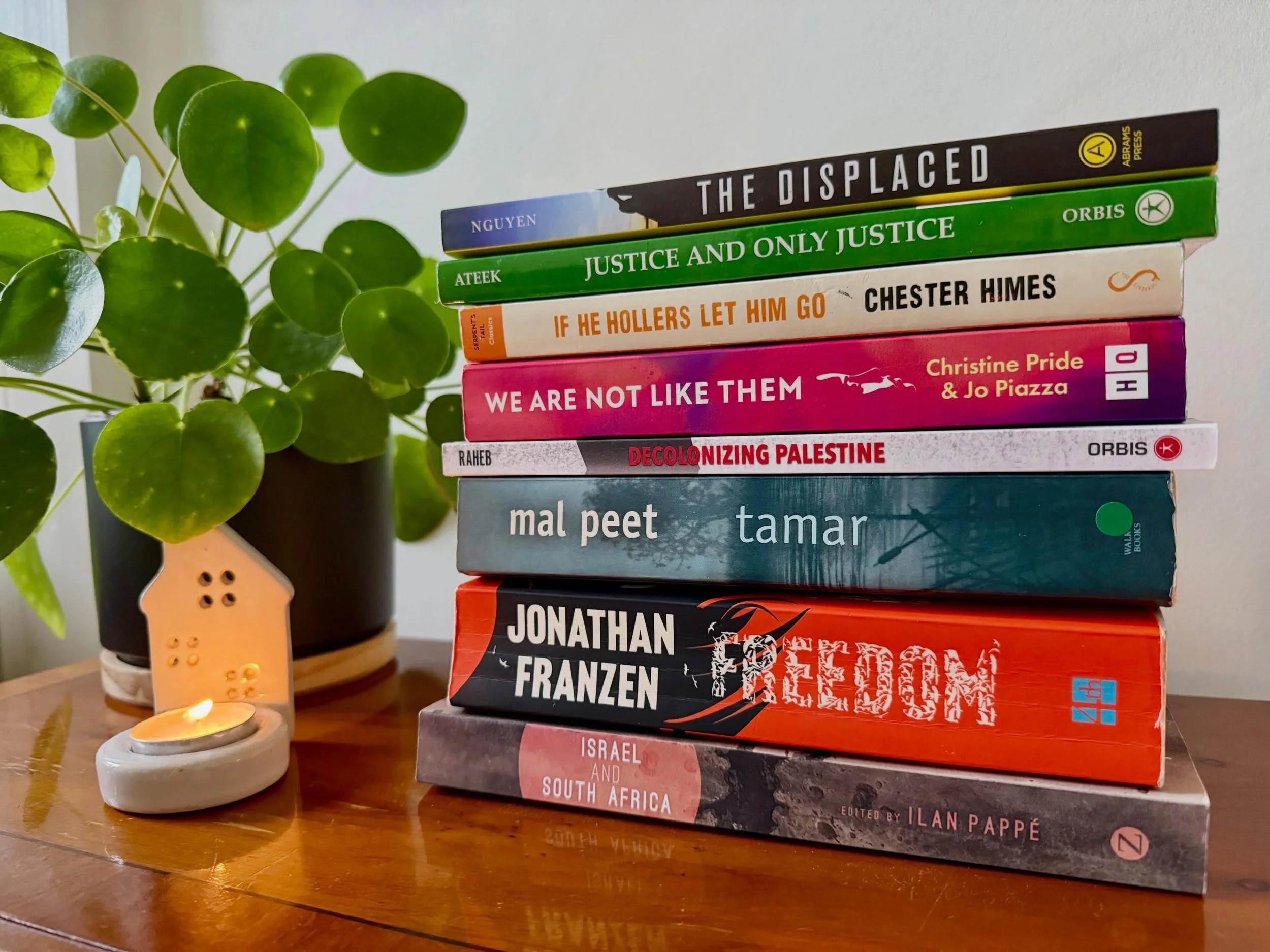
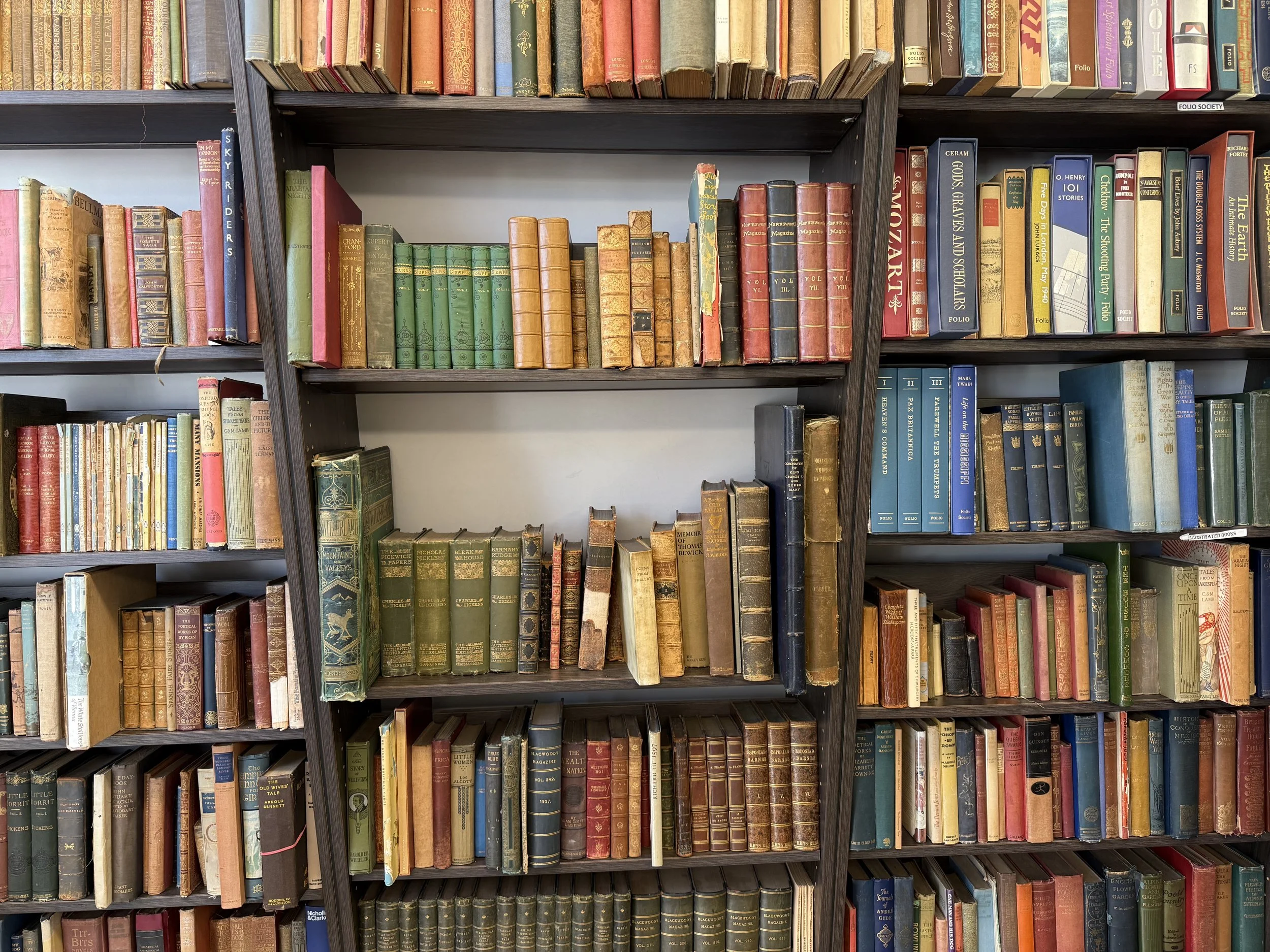
If I could describe how my humanness has felt in recent months, it would be to talk of the form of an inanimate object: A deep vase; a vast receptacle; a wooden trunk; a memory box; a container of fairly plain proportions whose simple purpose is to gather and hold. Taking in stories that are not historical novels enacting past events, all too easily shelved away as fiction, but are the sharing of real life in real time, of real humans.
The joyous moments of celebration captured on stages under spotlights, televised by cameras, projected around the world, of those whose hard work and creativity has won the accolades and adoration of millions who have loved their art. The truth-tellers and sojourners whose poems, songs, pictures and movements create pieces of resistance and cathartic spaces of understanding for those whose souls feel increasingly ignored and unrepresented by those holding the seats of governmental power. The unimaginable pain, hardship and fear being experienced on a consistent, daily basis by those living in places of active conflict. The desperation and anguish of people whose land has stopped producing crops, whose skies have not wept with rain, whose seeds are perishing before even being given a chance to germinate. The crushing weight of oppression sitting on the chests of those living without any daily freedom, whose voices are easy to ignore and whose attempts at resistance are swiftly curbed with violence and isolation. The everyday dramas, disappointments, hopes, desires, questions and jokes, tasks and demands which make up the day to day of every single human we know, walk past, ignore and acknowledge on this planet.
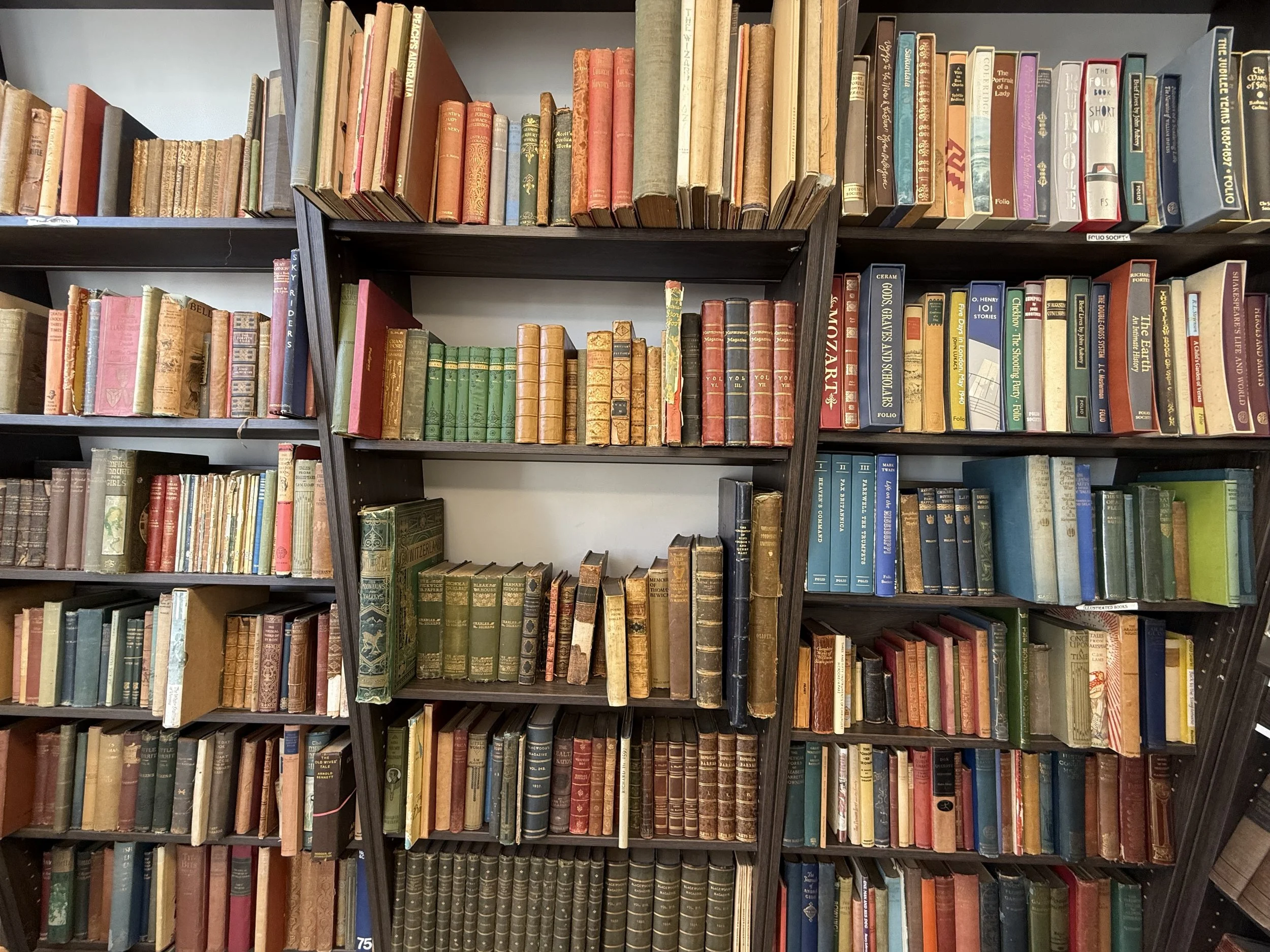
All of these stories and faces, from headlines to conversations with friends, are stored up like letters from a pen pal; their weight and emotion taking up precious and necessary space.
But what do you do when you become just a memory box of stories? Is it ok to simply be a vessel which gives a place of safety for another’s journey to rest? What about those stories that literally ache with pain and injustice? Can I not do something more than simply hold them? It feels too little, too small an act of love.
I have been ruminating on this feeling for the past few days as new wars, more death tolls, spreading violence and political rhetoric has filled my news feeds and social media timelines. Pages and pages of real time human experiences falling like rain into the vessel of my heart.
I could choose to turn away. I could choose to ignore the stories, the headlines, the #saytheirnames posts and millions of Epstein files. It is more than I can handle. It is more than I know what to do with. It is more than any of us have the capacity or power to really change or control.
But my heart can’t turn away.
So I continue to stand under a torrent of falling sheafs of paper filled with the burning words of humanity, from its most beautiful and breathtaking, to its most painful and grotesque. I continue to read every word and store every one, not because my holding it fixes or changes or empowers, but because it humanises and dignifies and honours it.
I feel my smallness in big ways right now, but as small as I might be in the largeness of this world, I know that abdicating my presentness is not an option.
If all of the main world events had their own separate book, chronicling the tale behind this moment, you would find the same repetitions within every one. Each book narrates an identical pattern of one human believing they are better than another; one people group convinced their rights outweigh another's; one race perceived as greater than the other; human dignity being ascribed to me and mine over you and yours. The thread of dehumanisation is running thick and taut across our planet, creating webs of deceit, death and destruction.
Any thread can be unwound and detangled though with enough patient persistence, time and attention. If dehumanisation is the thread, then we need to be the needle of humanity which unpicks the knots and rethreads the cotton to once again weave a stunning tapestry which tells a story of courage and overcoming, hope and healing, love and liberation.
I am committed to this storytelling.
I realize that this commitment binds me to the journeys of others, to continue holding the stories, filing away the headlines, listening to the laments. But this is how we add dignity; this is how we humanise; this is how we resist.