My sister lives in a church, and for the past 10 months we have been living in one too.
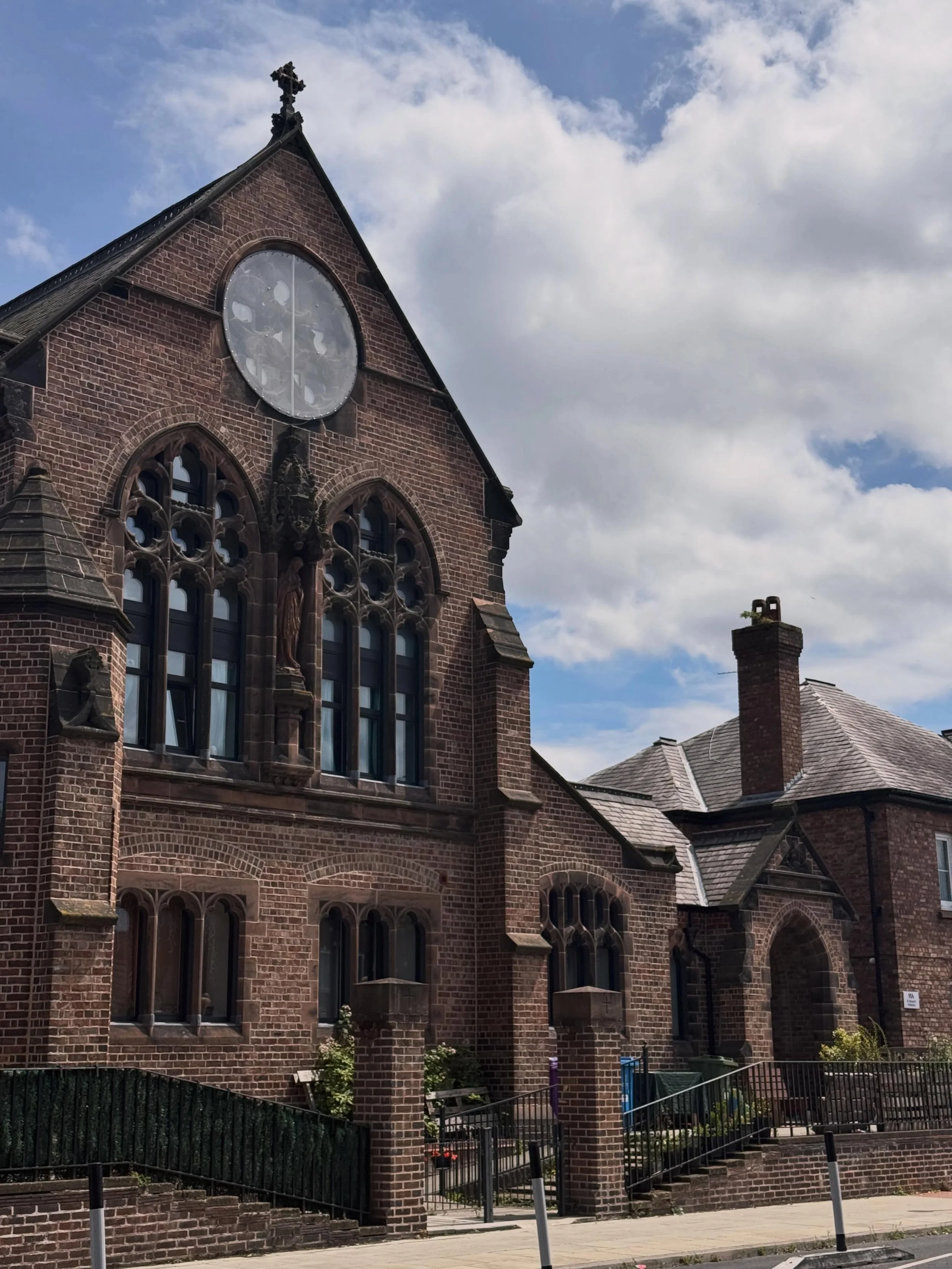
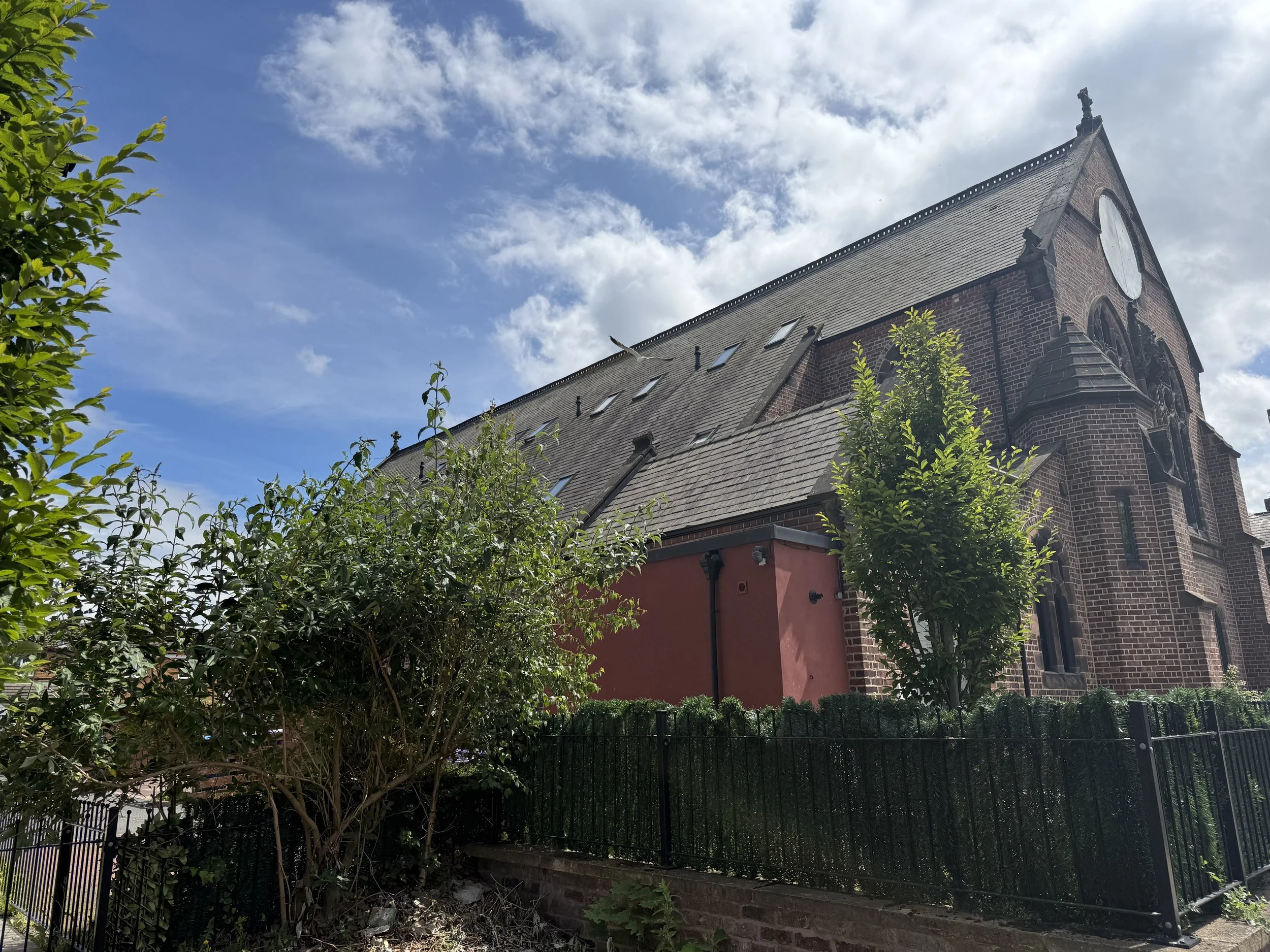
Built in 1901, St Bernard’s has been a landmark in Toxteth, Liverpool for over 100 years. As the congregation declined and the building fell into disuse, the church was repurposed in 2019 into affordable housing and is now home to about 16 families.
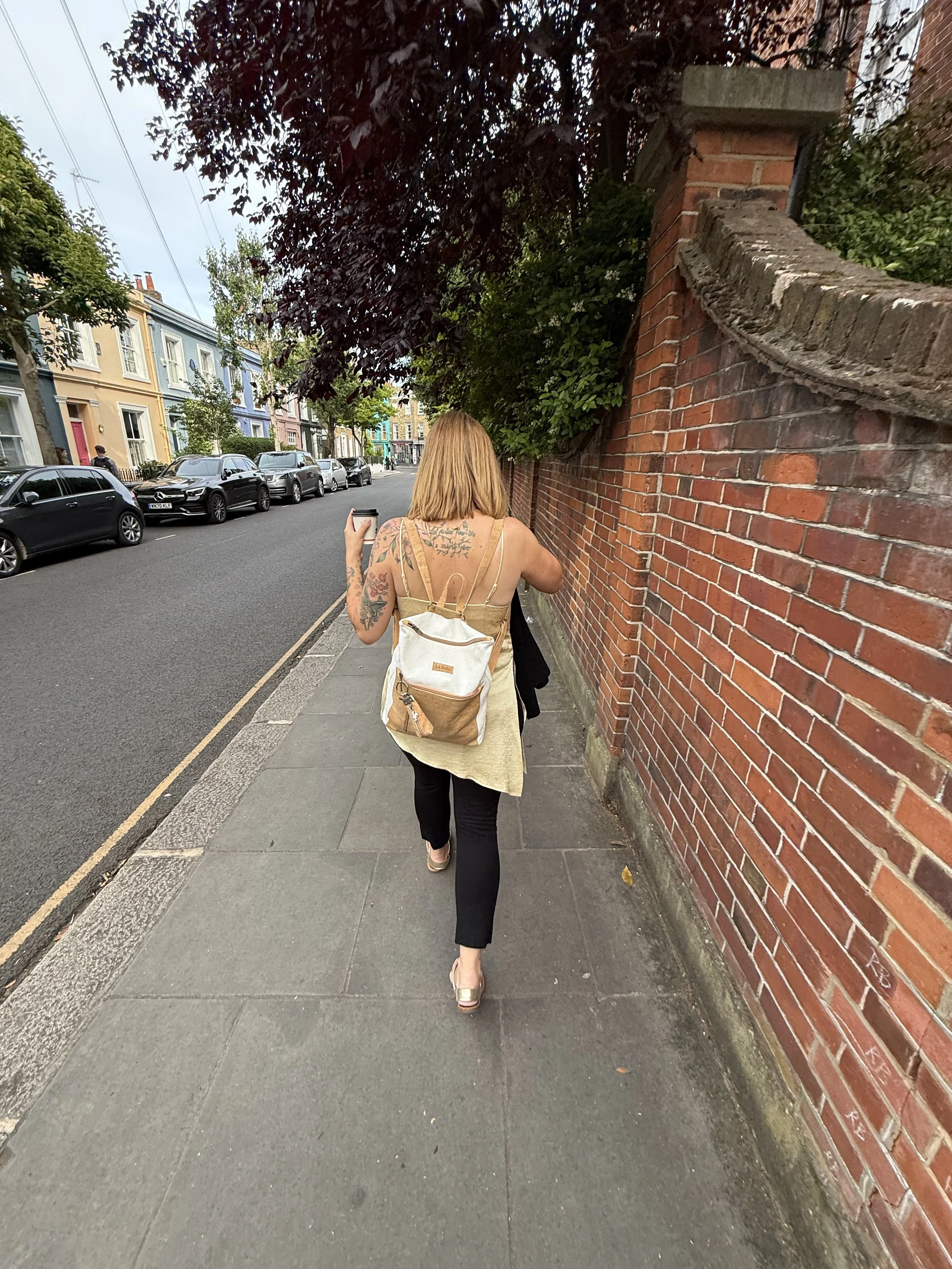
A lot can be learnt and discovered simply by walking through a city. Putting foot to pavement, making tracks through streets and alleyways, main thoroughfares and quiet footpaths, choosing to ignore the map apps and letting instinct take over to guide you forwards. My curiosity has been piqued many times over the last few months as I’ve wandered past architecture whose stones could tell stories from multiple decades if not centuries of time.
Just a 10 minute walk away from my sister’s home, another former church, the St John’s Wesleyan Methodist Church, now inhabits multiple two-bedroom apartments and duplexes. This building incurred bomb damage during World War 2, but rather than letting it disintegrate over time, it has now become home to multiple individuals and families. And once you’ve spotted one or two, soon it appears that every historic church building now houses more homes than church services.
As someone who has experienced the Church as a consistent and integral part of my life, there is an aspect of seeing beautiful church buildings no longer being church communities which is sad, and speaks to the apparent steady decline and removal of traditional church from the heart of local communities. However, I’m also struck by the powerful image of a building, which was undeniably built to be a church, now becoming a sanctuary to many individuals, couples and families.
Historically, churches in the UK are places where someone could seek temporary protection as the building was considered ‘holy’ and therefore not subject to the governing laws. In times of war and conflict, churches the world over have often been places which people have fled to seeking safety and protection. Currently in the US there has been a rise in churches declaring themselves to be a ‘Sanctuary Church’, and providing shelter, advocacy and physical protection for those seeking asylum or vulnerable to deportation due to their immigration status. The very bricks and mortar of these buildings have always been intended for more than merely a place to gather, but also a place to seek refuge.
Biblically, the concept of places of sanctuary was established in Joshua 20 when God ordained several cities to be named ‘Cities of Refuge’ for people to flee to who had accidentally killed someone. God is named as a refuge, a place of safety and protection, for people to run to and hide within (Psalm 46). In the New Testament, Jesus also teaches his disciples to be a people who provide refuge and sanctuary for those less fortunate, and how in doing so we are doing it for him too.
35 For I was hungry and you gave me food, I was thirsty and you gave me drink, I was a stranger and you welcomed me, 36 I was naked and you clothed me, I was sick and you visited me, I was in prison and you came to me.’ 37 Then the righteous will answer him, saying, ‘Lord, when did we see you hungry and feed you, or thirsty and give you drink? 38 And when did we see you a stranger and welcome you, or naked and clothe you? 39 And when did we see you sick or in prison and visit you?’ 40 And the King will answer them, ‘Truly, I say to you, as you did it to one of the least of these my brothers, you did it to me.’
Matthew 25:35-40 (ESV)
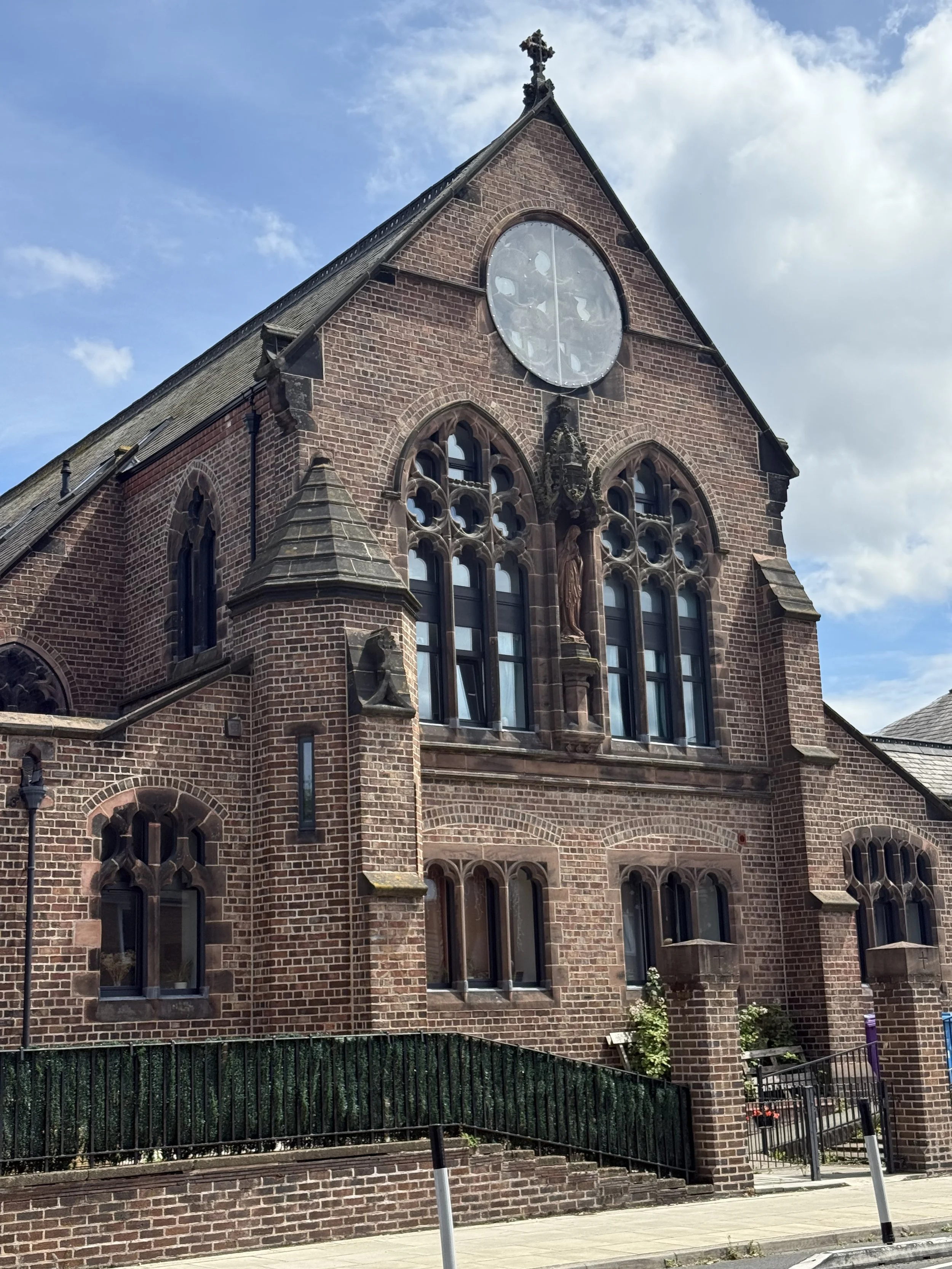
As I stand outside these beautiful old church buildings, which have now become another person’s home, I am struck by the marriage of history and modernity, tradition and provision. The place of the Church within society for sure looks different now than it did 100 years ago. In many instances, it has forfeited its influence for tradition, or chosen self-protection over the true care of its congregants. But the Church has also evolved, changed shape and culture, it has moved into the neighbourhood in more subtle or less extravagant ways.
The Church hasn’t stopped being the church because these beautiful old buildings have been reshaped into homes. In fact, as I sit within what was once the main sanctuary room of St Bernard’s, I can’t move away from the thought that these buildings are doing exactly what they should be doing. They are providing home, and helping us to love our neighbour.
I have experienced the beauty of the Church on more occasions than I have its failings, but in the moments of its failure the pain is the most intense. I see in these renovated church buildings a vision of redemption. More important than the aesthetics of a place, is the well being of the people who reside within it. The Church should be a place where the needs of everybody in the community are met; it should be a space where the front door mat always reads, ‘Welcome’. I see in these church buildings a fulfillment of those things.
Housing instability is one of the hardest things I’ve experienced on multiple occasions, and has caused me more pain than the Church, so this could be a cause behind why these church buildings-turned-homes speak to me so much. I see a marriage between faith and the houseless, a coming together of what I believe in my bones in the form of a brick and mortar redesign. Our faith isn’t just meant to look good, to impress the outsider or become an altar to ritual. Our faith is meant to move and make space, to include and to invite, to open its doors for others to make their home too. The Church is not a building; it is a home.